


Tesla’s Strategic Pivot to AI & Robotics
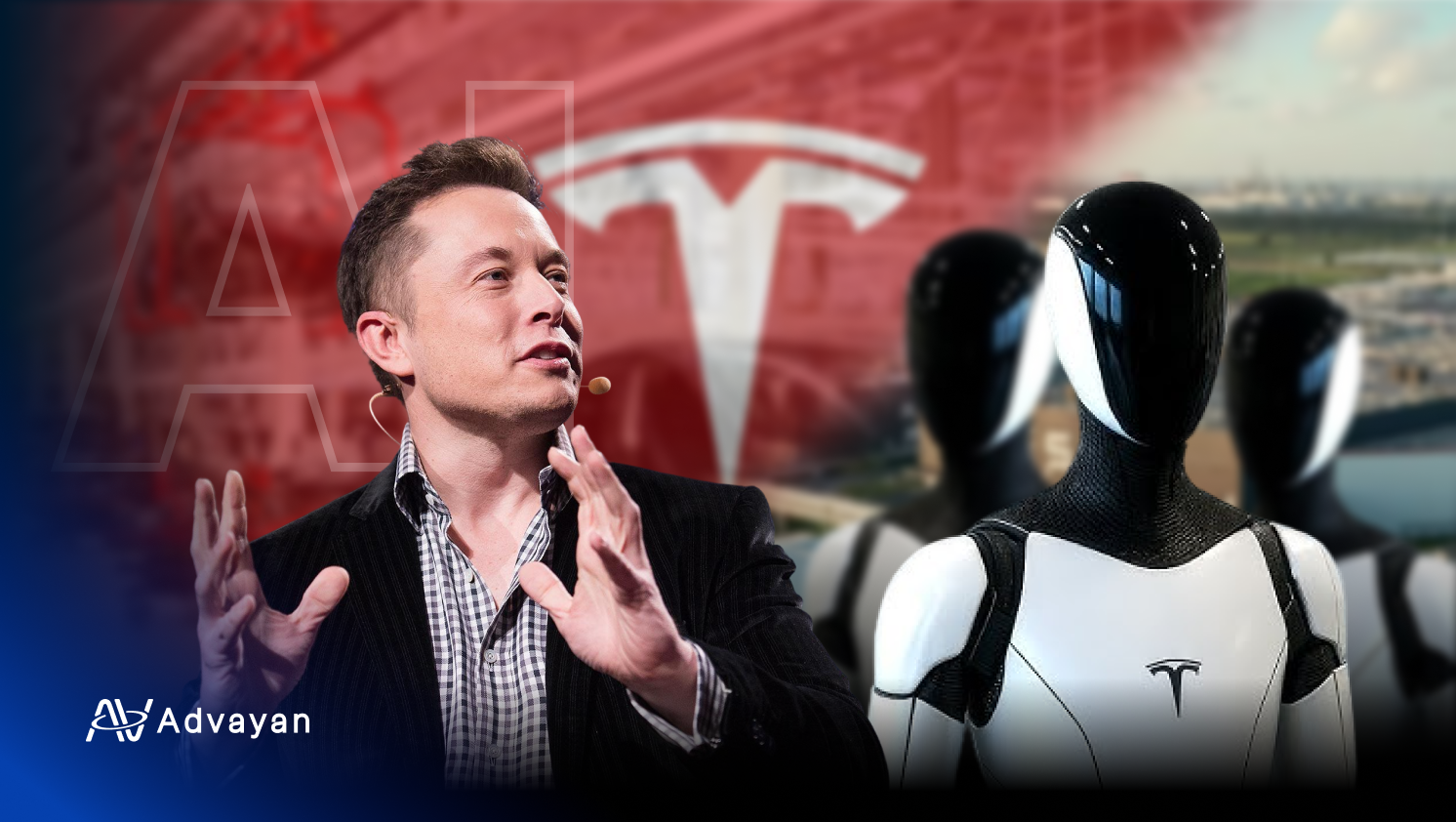
Tesla has set an ambitious target to produce one million Optimus robots each year by 2029. This move signals a clear shift in its business strategy, moving past its electric vehicle base and stepping into advanced AI-driven manufacturing. The plan shows how automation will not only change factory floors but also have a wider impact on society.
Signs of this shift are already visible. The company recently announced job cuts that affected more than 10% of its global staff. Yet soon after, new openings appeared for AI specialists, robotics engineers, and machine learning experts. This change shows how the rise of AI in manufacturing is reshaping the workforce, creating new technical roles while traditional jobs adapt. Tesla’s Master Plan Part IV backs this approach, setting out goals that focus on growth through technology and addressing real-world challenges with advanced automation.
This article takes a close look at Tesla’s move into AI and robotics, showing how the company is positioning itself among the leaders in AI manufacturing and what this could mean for the future of automation.
Tesla’s Shift from EVs to AI and Robotics
Tesla is moving far beyond its roots as an electric vehicle maker. Once known mainly as a pioneer in sustainable transportation, the company is now positioning itself at the front of AI manufacturing and robotics.
Why Tesla is moving beyond electric vehicles
The automotive sector is only a small part of the global economy, which explains why Tesla is expanding into larger opportunities. Elon Musk recently stated that “Tesla is an AI company that happens to make cars.” This view shows how the company sees its future.
The move is driven by:
- Stronger market opportunities in AI and robotics compared to cars alone.
- Deep experience with autonomous driving systems that apply directly to robotics.
- Existing expertise in neural networks, machine learning, and computer vision.
This pivot is not about leaving EVs behind. Instead, it expands Tesla’s mission, where cars become one of many applications of its broader technology base.
The unveiling of Master Plan Part IV
Tesla’s Master Plan Part IV, published on its website, sets the direction for future growth. The plan introduces the idea of building “sustainable abundance” through advanced AI and manufacturing technologies.
Key highlights from the plan include:
- A major focus on autonomous vehicle fleets and humanoid robots.
- Robotics and AI systems are framed as answers to core economic challenges.
- A shift from selling products to providing solutions for global problems.
Compared with earlier roadmaps, this version places far greater importance on AI and robotics.
How this pivot aligns with long-term goals
Tesla’s strategy still connects with its original goal of speeding up the adoption of sustainable energy. By embedding AI into manufacturing, the company expects to build cleaner energy infrastructure faster and at a lower cost.
Humanoid robots are central to this plan because they can:
- Work in risky or repetitive environments.
- Handle tasks that reduce inefficiencies in production.
- Create efficiency gains that support renewable energy growth.
The long-term vision is a cycle where AI manufacturing jobs expand while automation reduces limits on production. Tesla stands apart from many AI companies by focusing on physical robots that operate in the real world, not just digital systems.
At the same time, this pivot helps Tesla secure growth outside the automotive market, opening new revenue streams while staying true to its focus on innovation and sustainability.
The Role of AI and Robotics in Tesla’s New Vision
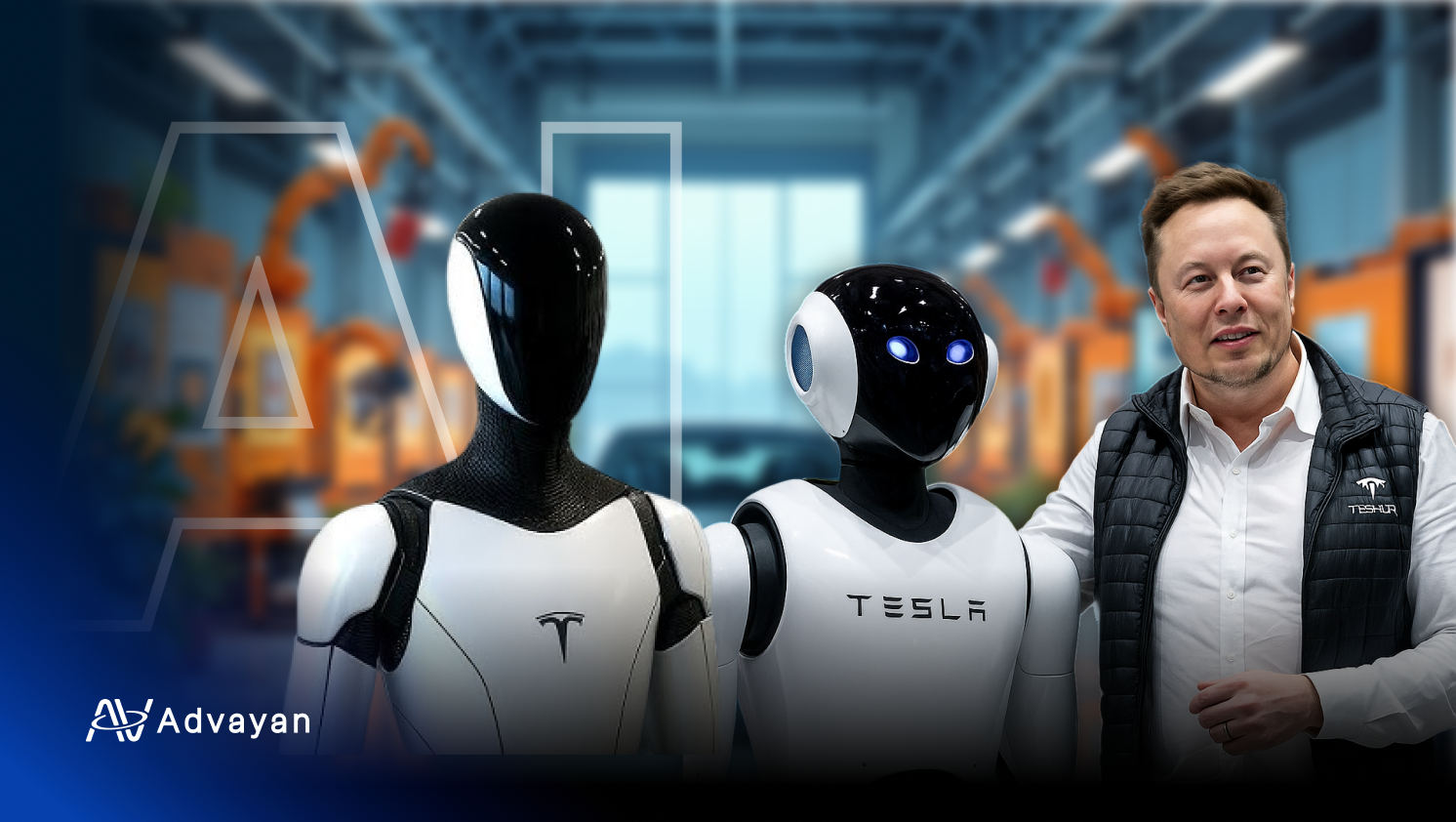
Tesla’s future now centers on an advanced AI and robotics ecosystem aimed at reshaping both manufacturing and everyday life. The company’s technology no longer stops at vehicles; it now expands into wider applications with bold potential.
Optimus humanoid robot: purpose and potential
The Optimus humanoid robot is the clearest sign of Tesla’s AI ambitions. Built as a general-purpose machine, it is designed to take on tasks that are dangerous, repetitive, or simply dull.
Key features include:
- Height of 5’8” and weighs around 125 pounds.
- Ability to carry up to 45 pounds and lift as much as 150 pounds.
- Human-like hands capable of handling objects with precision.
Unlike traditional industrial robots that serve one function, Optimus is built as a flexible platform. It can shift from factory work to home support, making it far more versatile than single-use machines.
Full Self-Driving (FSD) and autonomous systems
Tesla’s Full Self-Driving (FSD) technology is another major part of its AI strategy. Using eight cameras on each vehicle, neural networks create a real-time picture of the road without relying on costly LIDAR sensors.
Highlights of Tesla’s approach:
- Vision-based AI trained on millions of real-world driving examples.
- Custom AI chips that boost performance and efficiency.
- The Dojo supercomputer, designed specifically for large-scale neural network training.
This method sets Tesla apart from competitors, as the system continually learns and adapts through actual driving data.
AI in manufacturing: examples and applications
Inside factories, Tesla applies AI to improve efficiency and reliability. Current uses include:
- Automated quality control that spots defects human eyes might miss.
- Predictive maintenance that flags potential failures before they disrupt production.
- Adaptive manufacturing systems that adjust workflows in real time.
Together, these tools create a self-learning factory ecosystem. What makes Tesla unique is its vertical integration, the same neural networks guiding cars also inform factory robots, uniting the company’s technology across products and production.
This shift also changes how jobs evolve. Instead of manual work, future AI manufacturing jobs will focus more on monitoring, refining, and improving autonomous systems. This move redefines how products are designed and built, marking a new stage in industrial growth.
Workforce Transformation and Talent Strategy
Tesla’s workforce is undergoing major changes as the company reshapes its talent strategy to fit its AI-driven future. This shift shows a full restructuring of how teams are built, managed, and directed toward new priorities.
Layoffs and hiring shifts: what’s changing
In April 2024, Tesla announced sweeping layoffs that cut about 19,600 jobs, nearly 14% of its global workforce. The Texas Gigafactory saw the steepest drop with 2,688 roles eliminated, and contractors also felt the impact, including nearly 100 positions lost at MPW Industrial Services.
According to Elon Musk, the decision was tied to “duplication of roles and job functions.” Around the same time, Tesla introduced a hiring freeze so strict that only three new jobs appeared on its website in May.
Rise of AI manufacturing jobs
Even with these cuts, Tesla has started adding new positions focused on future technologies. More than 800 openings have been posted across the United States, with at least 64 dedicated to AI and robotics projects such as:
- Development of the Optimus humanoid robot.
- Advancements in the Dojo supercomputer.
- Roles linked to Autopilot and self-driving systems, with 25 listings alone.
This shows a clear shift from traditional manufacturing jobs to roles that center on automation and AI.
Redefining engineering roles at Tesla
Tesla’s engineering focus now leans heavily toward AI expertise. Job listings highlight positions such as:
- Deep Learning Manipulation Engineers working on Optimus.
- Reinforcement Learning Engineers to strengthen autonomous systems.
- Machine Learning Engineers with a focus on geometric vision.
These roles show Tesla’s move toward being more than an automotive firm. Musk now describes the company as “an AI/robotics and sustainable energy company.” Beyond EV engineering, new career paths are forming around AI in manufacturing, with the company targeting a 50% reduction in production costs by 2026.
Societal and Industry-Wide Implications
Tesla’s Master Plan Part IV sets out a vision that stretches far beyond transport and energy. The document centers on what Elon Musk calls “sustainable abundance”, a future where AI-driven automation removes physical limits and creates broader human prosperity.
What “sustainable abundance” really means
At its core, this idea reflects a shift toward making clean energy and advanced technology universally available. Tesla imagines a future where AI and robotics become embedded in physical systems, reshaping the very structure of society. The aim is growth without the usual trade-offs, built on practical innovation and problem solving.
Concerns about labor displacement
The rise of automation also raises questions about the future of work. While past technologies have not caused lasting unemployment, AI brings new challenges by automating not only physical but also cognitive tasks. Worker retraining is often proposed, but:
- It is unclear which skills will remain relevant as AI develops.
- Programs may not keep pace with the speed of change.
How other AI manufacturing companies are responding
Competitors are also using automation, though on a smaller scale:
- Nissan employs AI-guided vehicles for delivering parts within factories.
- BMW applies machine learning to boost quality control.
Tesla stands apart with a more aggressive, full-scale automation strategy, positioning itself differently in this growing field.
Public reactions: optimism vs. skepticism
Reactions to Tesla’s plan remain split.
- Optimists see a company pushing sustainability through advanced technology.
- Skeptics raise doubts about execution, pointing to delays and missed targets, such as the unfulfilled promise of “a million robotaxis by 2020.”
Conclusion
Tesla’s shift from an electric vehicle company to a leader in AI and robotics marks a defining moment for both the business and the wider technology sector. The company has restructured its workforce, cutting traditional roles while creating new opportunities in AI development and robotics engineering. This shows how deeply Tesla is reshaping its own future.
The plan to build one million Optimus robots annually by 2029 highlights the scale of Tesla’s ambition. The company is applying its strengths in neural networks, computer vision, and autonomous systems well beyond cars, tying directly to Musk’s idea of “sustainable abundance” from Master Plan Part IV.
Yet, challenges remain.
- Job displacement is a real concern, even if history shows economies often adjust to new technologies.
- Public trust is divided, with supporters praising Tesla’s vision and critics pointing to past overstatements such as the missed robotaxi milestone.
Other manufacturers are exploring similar paths, but few match Tesla’s pace or scope. This puts Tesla in a unique position, caught between revolutionary promise and the need for practical results.
Other manufacturers are exploring similar paths, but few match Tesla’s pace or scope. This puts Tesla in a unique position, caught between revolutionary promise and the need for practical results.
Ultimately, the company’s future will depend on whether it can turn AI and robotics into products that genuinely solve global problems. While uncertainty exists, one fact is clear: Tesla’s identity has already moved far beyond electric vehicles, setting the stage for changes that could reshape manufacturing, work, and daily life.
Let's connect


Services
Products
India - Offshore Delivery Centre


